
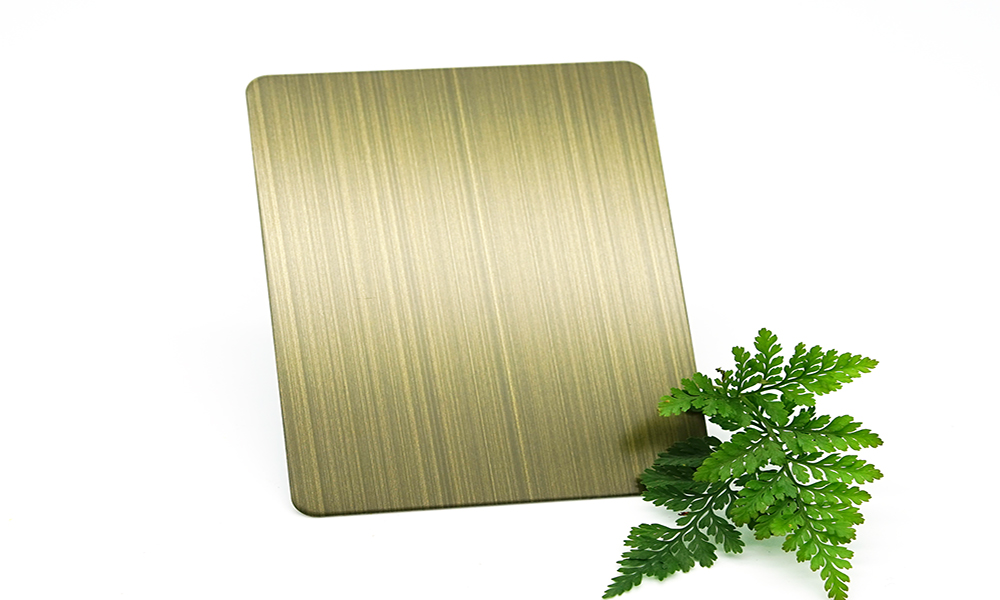
Understanding stainless steel surface treatments is critical for achieving both functional performance and aesthetic appeal. This guide analyzes 7 common finishing methods, their technical processes, and cost-effective recommendations for Middle Eastern markets—essential knowledge for architects, fabricators, and procurement managers.
1. Common Stainless Steel Surface Treatments
Six primary treatments dominate industrial applications:
- Water Plating
- Produces metallic blacks/blues via high-temperature processing
- Limited to 316+ grades for stable coloration1
- PVD Vacuum Plating
- Passivation
- Mechanical Polishing
- Achieves Ra 0.1–0.4μm mirror finishes
- Requires 3-stage abrasive progression (80→1500 grit)4
- Brushed Finish
- Sand Blasting
Most Popular: Brushed (35% market share) and PVD-coated (28%) finishes lead in architectural applications13.
2. Processing Techniques Breakdown
A. Water Plating Process
- Alkaline degreasing (pH 11, 60°C)
- Electrolytic activation (DC 12V, 3min)
- Color deposition (90°C, 20–30min)1
Limitation: 304 SS shows blue tinting; 316 recommended15.
B. PVD Coating Workflow
- Plasma cleaning (10⁻³ Pa vacuum)
- Argon ion bombardment (400V bias)
- TiN/TiCN layer deposition (2–4hrs)13
Advantage: Maintains conductivity vs powder coating3.
C. Passivation Standards
- Chemical Bath: 20–25% HNO₃ + 2–3% Na₂Cr₂O₇
- Immersion Time: 20–30 minutes (ASTM A967)25
- Verification: Copper sulfate test (<30s staining)5.
3. Middle East Market Analysis & Recommendations
Regional Preferences:
- Salt Spray Resistance: Coastal projects demand >1000hrs NSS testing5.
- Solar Reflectance: Brushed finishes (45–55% albedo) reduce cooling loads24.
- Maintenance: Sand-blasted surfaces hide desert dust accumulation4.
Cost-Effective Solutions:
| Treatment | Cost ($/m²) | Durability | Maintenance |
|---|---|---|---|
| Passivation | 8–12 | 5–8 years | Annual reapplication |
| Brushed Finish | 15–20 | 10–15 years | Biweekly wiping |
| PVD Coating | 35–50 | 15–20 years | pH-neutral cleaners |
Top Recommendations:
- 316 Brushed Finish: Balances cost ($18/m²) and corrosion resistance45.
- PVD Bronze Coating: UV-stable in 40–50°C climates13.
- Electropolished 304: For food-grade applications (Ra 0.2μm)25.
Quality Control Checklist
- Pre-Treatment:
- Process Monitoring:
- Post-Treatment:
Comparative Performance Data
| Treatment | Corrosion Rate (mpy) | Vickers Hardness | Solar Reflectance |
|---|---|---|---|
| Passivated 316 | 0.25 | 220 | 35% |
| PVD-Coated 304 | 0.08 | 850 | 28% |
| Brushed 430 | 1.2 | 180 | 52% |
mpy = mils per year in 3.5% NaCl45
Conclusion
For Middle Eastern projects, SS Metalwork recommends PVD-coated 316L for luxury façades and passivated 304 for structural components. Our ISO 9001-certified facilities ensure precise control over coating thickness (±0.5μm) and surface roughness (Ra 0.05–6μm).
Request custom finish samples with technical datasheets → Contact Our Engineering Team
References
1 Water/PVD plating specifications (GLCNCMachining)
23 Mechanical finishes & passivation (CNClathing, Shenchong)
45 Corrosion resistance data (ACS Omega, Materials and Corrosion Journal)
Thanks for your popularize industry knowledge!