
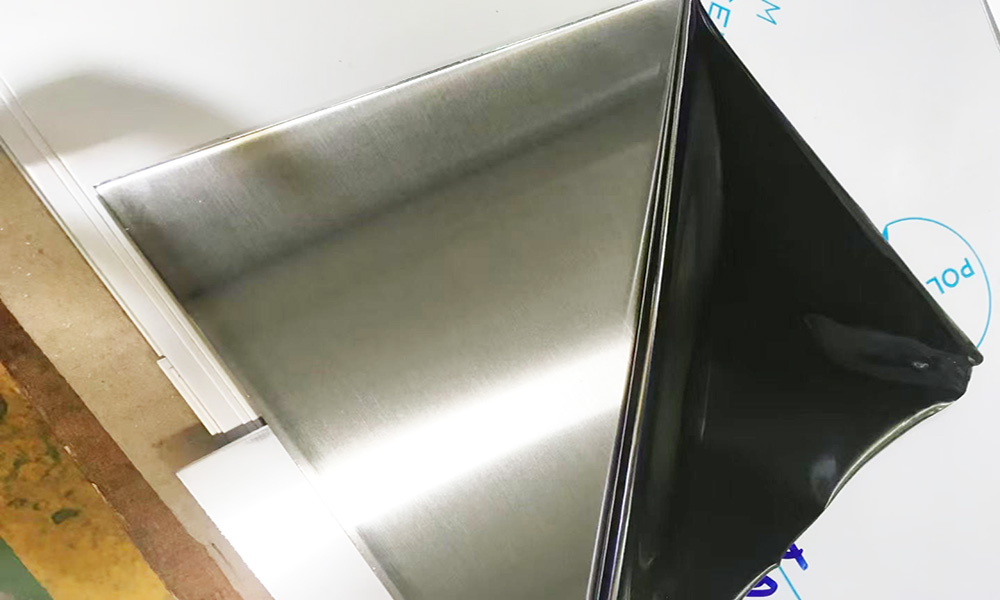
When selecting stainless steel for industrial or commercial applications, the choice between 304 and 316 grades often sparks debate. Both alloys belong to the austenitic family, offering excellent corrosion resistance and durability14. However, their distinct compositions and performance characteristics make them suited for different environments. Let’s break down the key differences to help you decide.
1. Chemical Composition: The Core Difference
- 304 Stainless Steel: Contains 18% chromium and 8% nickel (standard 18/8 formula).
- 316 Stainless Steel: Adds 2-3% molybdenum to the 304 base, enhancing resistance to chlorides and acidic environments.
This molybdenum addition in 316 makes it significantly more robust in harsh conditions, such as marine or chemical processing settings.
2. Corrosion Resistance: Where They Excel
- 304: Performs well in general atmospheric and mild chemical exposures but may develop pitting in chloride-rich environments (e.g., coastal areas or de-icing salt applications).
- 316: Superior in resisting chloride-induced corrosion, making it ideal for marine equipment, pharmaceutical machinery, and coastal infrastructure.
3. Cost Comparison: Balancing Budget and Performance
- 304: More economical, priced between 2.50/kg, suitable for applications like food processing equipment, architectural trim, and kitchen appliances.
- 316: Costs 20–40% more (approx. 4.00/kg) due to molybdenum content, justified for critical uses like offshore platforms, chemical tanks, and medical devices.
4. Applications: Matching the Alloy to the Environment
| Best for 304 | Best for 316 |
|---|---|
| Food & beverage equipment | Marine hardware |
| Indoor architectural panels | Chemical processing plants |
| HVAC components | Coastal construction |
5. How to Choose: Key Questions to Ask
- Will the material face saltwater or chlorides? → Opt for 316.
- Is budget a primary concern? → 304 offers cost savings for non-aggressive environments.
- Does the application require FDA compliance? → Both grades are food-safe, but 316 adds longevity in sanitized settings.
Conclusion
Neither 304 nor 316 is universally “better”—the optimal choice depends on your project’s environmental demands and budget. For everyday applications, 304 provides reliable performance at lower costs. In contrast, 316’s molybdenum-enhanced formula ensures longevity in corrosive or marine settings.
At SS Metalwork, we specialize in precision fabrication of both grades. Contact us to discuss your specific requirements and receive tailored material recommendations.
#304vs316stainlesssteel #corrosionresistancecomparison #stainlesssteelgrades #molybdenuminstainlesssteel